
Autism Identification on Driver’s Licenses and IDs: Why It Matters and Where It’s Available
Every day, autistic adolescents and young adults navigate the world independently, pursue jobs, education, and social life, and engage with law enforcement and emergency personnel at unexpected moments.
While autism is a hidden difference, not readily visible, the way someone communicates, processes sensory input, or responds under stress may differ from what first responders or officers expect. In recognition of this, some U.S. states now offer optional autism identifiers on driver’s licenses, state IDs, and related programs. These markers and awareness tools aim to reduce misunderstanding and promote safer, more supportive interactions when someone is pulled over by police or encountered in an emergency.
This article explains what autism identification symbols on IDs are, provides examples from states that use them, and reviews why they are valuable based on research about autism and law enforcement interactions.
What Are Autism Identification Symbols and Programs?
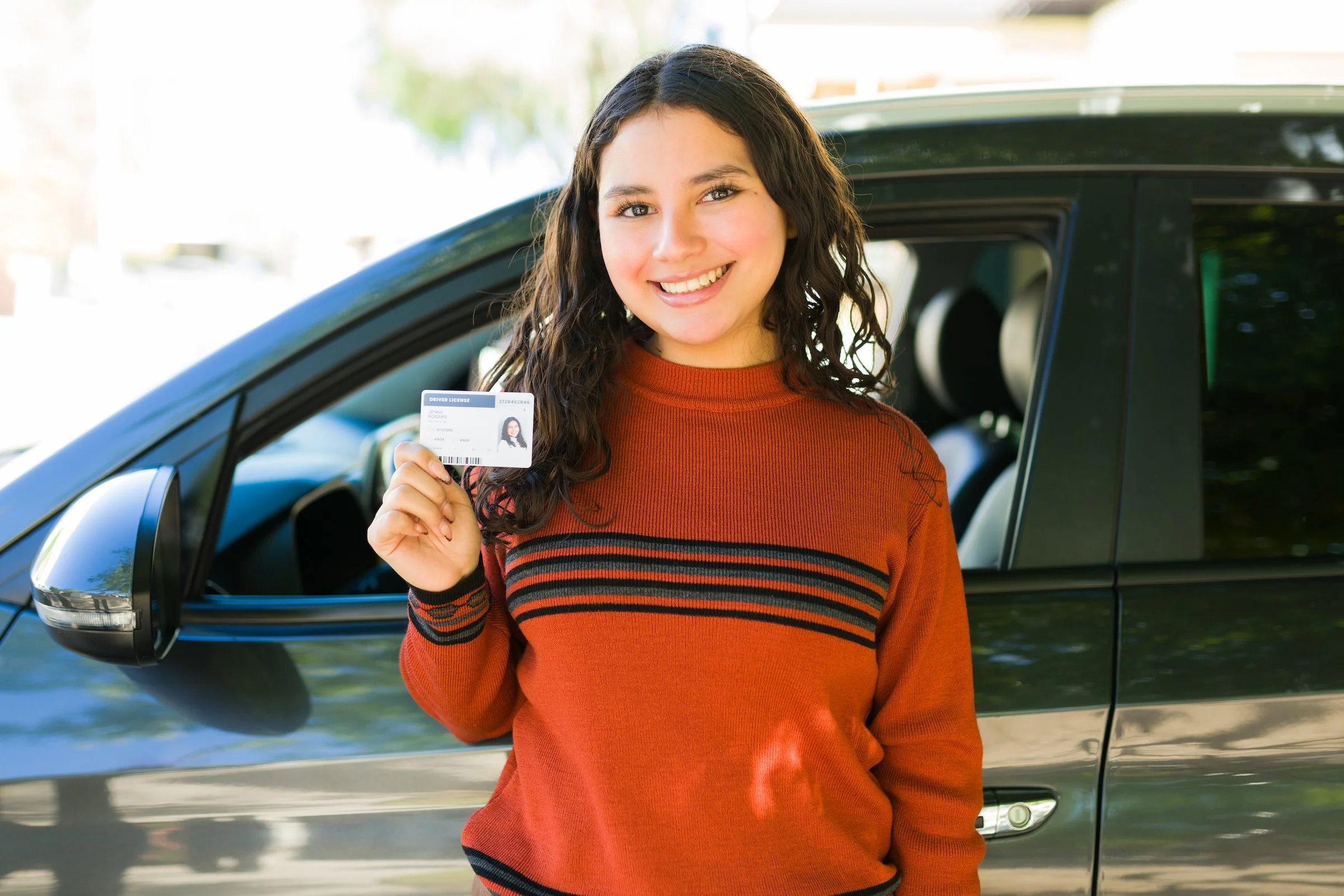
An autism identification symbol on a driver’s license or ID is a voluntary indicator that the person has Autism Spectrum Disorder (ASD) or a related communication or developmental condition. These identifiers are usually small icons, words, or visual cues placed on the license or ID card that signal to law enforcement or first responders that communication or behavioral differences may be present.
In Maryland, for example, a new law allows residents with hidden disabilities, including autism, to add a butterfly symbol to their driver’s licenses, state IDs, and even moped permits. The butterfly is intended to emphasize that the person may present with communication differences or needs that aren’t immediately apparent, prompting police officers to exercise patience and understanding during interactions. The initiative, known as Eric’s ID Law, is named after an autistic young adult who advocated for safer police encounters.
Several other states also permit similar designations or awareness tools. For example:
Kansas allows autistic individuals to request an autism indicator on their driver’s licenses or ID cards, along with a decal for license plates.
In Iowa, drivers may request a voluntary autism spectrum identifier on their license.
New Jersey provides an optional notation on a license or ID indicating autism or a communication disorder; specific documentation and ID requirements apply.
Virginia offers the Blue Envelope Program, a separate awareness tool that helps individuals with autism alert law enforcement during traffic stops by presenting a visible envelope with instructions for effective communication.
Oklahoma has passed a law to create an optional identifying mark for autism on state IDs and driver’s licenses.
Minnesota and Mississippi similarly support voluntary autism spectrum identifiers on driver’s licenses.
These programs are generally voluntary and confidential. Individuals or their families decide whether to include the designation; it does not automatically share medical information across databases or with insurance companies.
Beyond state IDs and licenses, many local police departments and sheriff’s offices offer decals or stickers that families can place on vehicles or in homes to signal that an autistic person may be present. These are especially useful when a person may not be able to communicate information themselves quickly. Examples include autism awareness identification stickers offered by departments in Ho-Ho-Kus, New Jersey, and San Diego County’s Blue Envelope program.
Why Autism Identification on IDs Matters
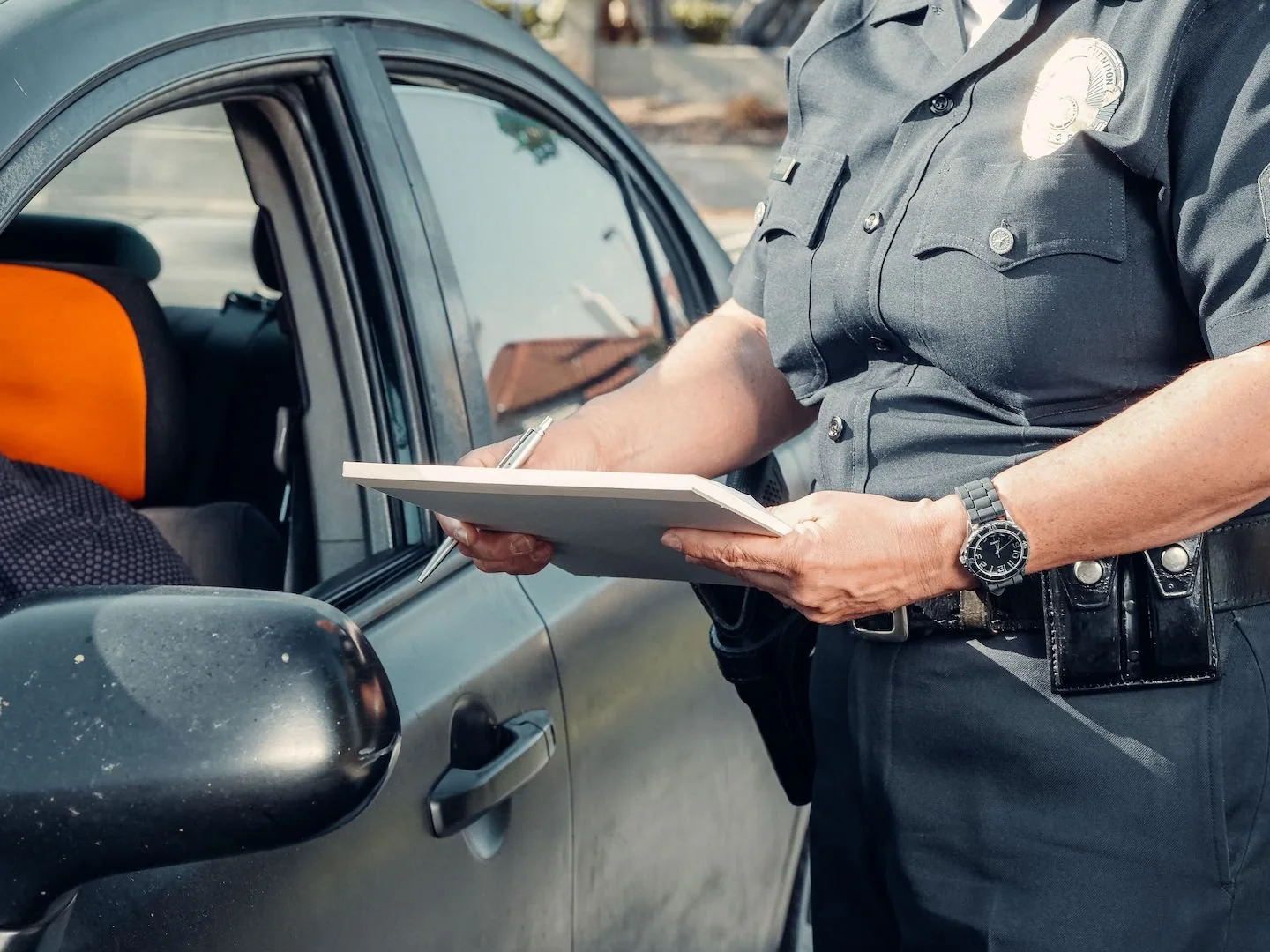
Interactions with law enforcement and first responders are everyday realities for most people. Still, research shows that autistic individuals are more likely to encounter challenges during these moments, mainly when communication expectations or sensory stressors differ from what officers anticipate. Autistic adults often report confusion, negative interactions, or misunderstandings when stopped by police, and they may struggle to explain their needs during high-stress encounters.
One foundational scholarly study directly examined law enforcement cadets’ attitudes toward identifying autistic individuals with special identification cards. Results indicated that cadets with greater knowledge of autism were more favorable toward the use of condition-identifying cards, suggesting that formal identifiers can serve as a bridge between autistic individuals and law enforcement understanding. The study found that as cadets’ confidence in identifying and interacting with autistic people increased, so did their support for autism identification cards.
Other research underscores the broader context: autistic individuals frequently encounter police for reasons as varied as routine stops, community suspicion, or emergencies. Misinterpretations, stemming from social communication differences or sensory distress, can unnecessarily escalate situations. A systematic review of autism and criminal justice interactions highlighted how differences in social communication and behavior can lead to law enforcement encounters that may be more stressful, misunderstood, and at times harmful, pointing to the need for policy and practice reforms.
Although comprehensive peer-reviewed studies on specific ID symbol outcomes are emerging, broader disability research suggests that identification tools (such as medical alert bracelets or condition cards) can improve communication and lead to more appropriate responses from first responders in community settings. These tools are associated with increased understanding and adjusted approaches, especially when first responders are trained in autism-specific awareness and communication.
How Autism Identifiers Improve Safety and Understanding
Autism identifiers on licenses or related programs can serve several valuable functions:
Signal communication differences: They provide immediate context to officers that the person may communicate differently, take longer to answer questions, or have sensory challenges. This can help officers adjust their approach, reduce pressure, and create a calmer interaction.
Reduce escalation: Knowing an individual has ASD may reduce misinterpretations that can lead to escalation, as autism stereotypes (e.g., avoidance of eye contact or unusual responses) are explained rather than judged.
Improve comfort and confidence: Autistic individuals and their families often report greater confidence in travel and independence when they know tools exist to communicate their needs proactively. While formal evaluation research is still developing, disability identification tools generally reduce anxiety and improve success in accessing accommodations.
Encourage broader awareness: These identifiers often coincide with autism awareness training and community engagement efforts, promoting wider understanding of neurodiversity within law enforcement agencies. Pilot studies of autism-specific training for police officers have shown increased self-efficacy and preparedness following brief, research-based training sessions.
Programs like the Blue Envelope go a step further by combining a physical tool with instructions that the autistic driver can present to officers, enhancing communication and reducing the need for on-the-spot verbal explanations in stressful moments.
Considerations and Future Directions
While autism identifiers can support safety and communication, there are important considerations. Researchers emphasize the need for training and awareness alongside identifiers; a symbol alone is not enough if first responders lack understanding of ASD characteristics and communication preferences. Studies show that autism awareness training for law enforcement is associated with greater knowledge and improved self-efficacy in responding to autistic community members.
Additionally, policies must protect privacy and personal choice. Identifiers should be optional, confidential, and not shared with third parties without consent. Some advocacy groups caution that disclosure can be stigmatizing if not accompanied by robust public education and legal protections.
Continued research is also needed to assess how identifiers impact outcomes in real-world encounters. However, current evidence and policy trends suggest that these identifiers are a promising tool that supports safer, more respectful interactions by offering context during potentially high-stress encounters.
Conclusion
Autism identification symbols on driver’s licenses, state IDs, and related programs, such as decals or envelopes, are voluntary tools designed to enhance safety, understanding, and communication between autistic individuals and law enforcement or first responders. States such as Maryland, Kansas, Iowa, New Jersey, Virginia, and Oklahoma have implemented or advanced these options, each intended to alert officers that an autistic person’s communication style, sensory needs, or response under stress may differ from expectations.
Research shows that law enforcement attitudes toward autism identifiers improve with knowledge about ASD, and that appropriate training combined with identification tools can create safer, more effective interactions. As autistic adolescents and young adults gain independence, these identifiers are one of many tools that can help ensure interactions with police and first responders are approached with empathy, awareness, and respect.
References
Calton, S., & Hall, G. (2021, July 13). Autistic adults and their experiences with police personnel: A qualitative inquiry. Psychiatry, Psychology, and Law, 29(2). https://doi.org/10.1080/13218719.2021.1904455
Copenhaver, A., Denney, A. S., & Rapp, V. (2020). Police cadet general and interactional knowledge of persons with autism spectrum disorders (ASDs). Policing: An International Journal, 43(2), 345–359. https://doi.org/10.1108/pijpsm-08-2019-0140
Gibbs, V., Love, A. M. A., Cai, R. Y., & Haas, K. (2021). Police interactions and the autistic community: Perceptions of procedural justice. Disability & Society, 38(9), 1608–1625. https://doi.org/10.1080/09687599.2021.2007359
Holke, K. M., Cosier, M., Kaustinen, E. G., Scherer, C. J., & Wall, A. (2025). Autism awareness training for law enforcement officers: A pilot study. Policing An International Journal, 48(6), 1190–1206. https://doi.org/10.1108/pijpsm-02-2025-0042
King, C., & Murphy, G. H. (2014, November 1). A systematic review of people with autism spectrum disorder and the criminal justice system. Journal of Autism and Developmental Disorders, 44(11), 2717–33. https://doi.org/10.1007/s10803-014-2046-5
